What Is a Work Package in Project Management?

What Is a Work Package in Project Management?

No, it’s not a parcel delivered to your office. In fact, work packages encompass so much more and can even be viewed as the building blocks of project management.
In this article, we will define what a work package is and share a visual example.
Before we begin, you can skip ahead and kick-start your work package management with our pre-built and customizable template.
Work package definition
A work package is a group of related tasks within a project. Because they look like projects themselves, they are often thought of as sub-projects within a larger project. Work packages are the smallest unit of work that a project can be broken down into when creating your Work Breakdown Structure (WBS). Tasks are typically grouped into work packages based on geographical area, engineering discipline, technology, or the time needed to accomplish them.


Work package example
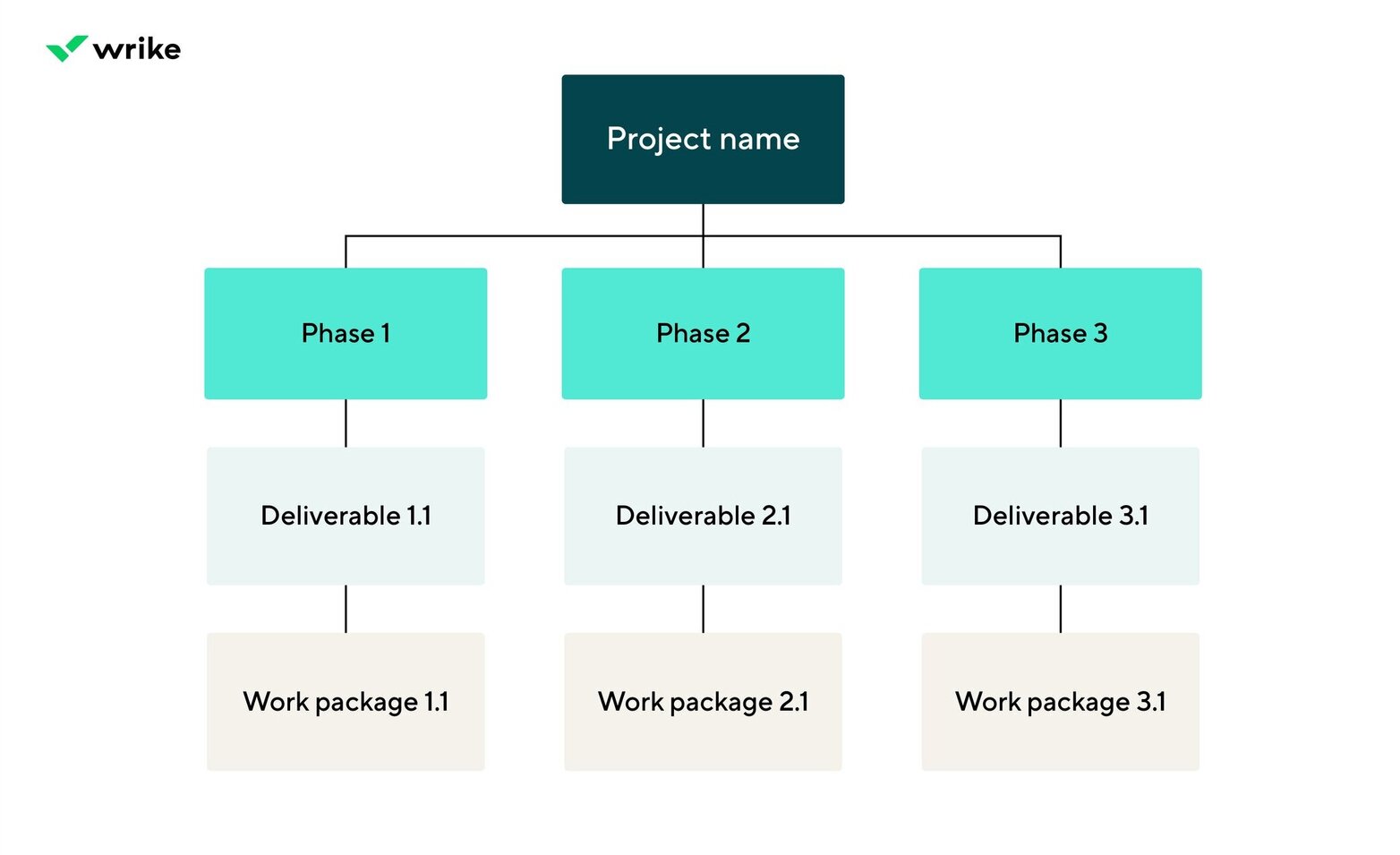
A work package example is a helpful way to envision how a work package would be deployed within your own project management process. This is because a work package is the building block of a project, made up of related activities that, when completed, will create a desired outcome.
This work package example shows the breakdown of task groupings that make up each sub-section of a work breakdown structure. It is also clear from this work package sample how different work packages combine together under each activity to form the work breakdown structure.

Master work packages with Wrike
To fully harness the potential of work packages and elevate your projects, why not try Wrike? Our powerful platform is tailored to help you break down large projects with ease. Create your own folder structure, assign team members, and view dependent tasks on a Gantt chart.
Don’t miss the opportunity to revolutionize your approach to managing work packages. Experience firsthand how Wrike can turn daunting projects into bitesize tasks, starting with our powerful work breakdown structure template.
In project management, deliverables are tangible outputs produced through objective-focused work within a project’s scope. They can be internal or external and are usually due on specific dates. Unlike objectives or milestones, deliverables are concrete items that must be completed and handed over to advance or close a project.
Governance in project management is the framework that defines accountability, decision-making authority, and reporting relationships within a project. It establishes who oversees the project, who makes key decisions, and how information flows between stakeholders. Effective governance provides structure, oversight, and alignment, with the project sponsor playing a critical coordinating role.
PMBOK, or the Project Management Body of Knowledge, is a comprehensive framework of standardized processes, best practices, terminology, and guidelines for project management. Maintained by the Project Management Institute (PMI), it helps organizations standardize and tailor their project practices while reducing the risk of failure.
A PMO, or project management office, is a centralized team or function that standardizes project management processes across an organization. It provides governance, best practices, tools, and oversight to improve efficiency and consistency. By aligning projects with business objectives, a PMO helps organizations deliver initiatives on time, within budget, and with greater strategic impact.
A project in project management is a temporary effort made up of specific tasks designed to achieve a clearly defined goal or outcome. It can be simple or highly complex, and responsibilities are usually assigned by a manager who outlines expectations and deadlines. Teams often break projects into smaller tasks to improve accountability, streamline workflow, and ensure timely completion.