What Is Scope in Project Management?
Scope is a core element of the project management triangle, alongside cost and time. It defines the boundaries and objectives of a project, creating a framework for team members and setting expectations for stakeholders — both of which are crucial for successful completion.
In this article, we will explore the concept of project scope in more detail, providing a comprehensive overview of what it is and what it involves.
Before we begin, you can unlock a free two-week trial with Wrike now and manage all the important components of your projects, from scope to schedules, in one platform.
The definition of scope
First off, scope can refer to either product scope or project scope. It's important to know the difference:
- Product scope is defined as the functions and features that characterize a product or a service
- Project scope is the work that must be done in order to deliver a product according to the product's scope (required functions and features)
Project scope is the common understanding among stakeholders about what goes into a project and the factors that define its success. A project's scope is made up of the functionalities or specifications outlined in its requirements.
What is a project scope statement?
Project scope is documented in a scope statement, which is an integral part of any project plan. And what is a scope statement exactly? It's a written document that is used as the basis for project decisions down the line. The scope statement clearly delineates what is in scope (the work required). Everything else is out of scope. What does out of scope mean in project management? Simply put, this is anything that does not fall within the required functionalities and specifications that are documented in the scope statement.


What is project scope management?
According to the PMBOK: "Managing project scope is primarily concerned with defining and controlling what is and is not included in the project.”
Take scope management to the next level effortlessly
What is involved in project scope management?
Here's where we get down to the process of building that scope statement. The PMBOK recognizes six major scope management processes involved in managing and defining a project's parameters. These are:
1. Planning scope management: A scope management plan is created based on input from the project plan, the project charter, and consultation with stakeholders.
2. Collecting requirements: A requirements management plan is created based on the scope management plan plus stakeholder input. Interviews, focus group discussions, surveys, and more will be used to understand requirements. This will all be documented.
3. Defining scope: A project scope statement is produced based on all the requirements documentation plus the project charter and the scope management plan. This definition will be the basis for all project activity.
4. Creating the Work Breakdown Structure: A Work Breakdown Structure (WBS) is built after analyzing the project scope statement and the requirements documentation. The WBS is basically the entire project broken down into individual tasks, and deliverables are clearly defined.


5. Validating scope: Here, deliverables are inspected and reviewed. Either they're accepted as complete or further revisions are requested.
6. Controlling scope: As the project is executed, scope must be controlled. Performance reports are compared against project requirements to see where gaps exist, which may result in changes to the project plan.


Manage project scope effectively with Wrike
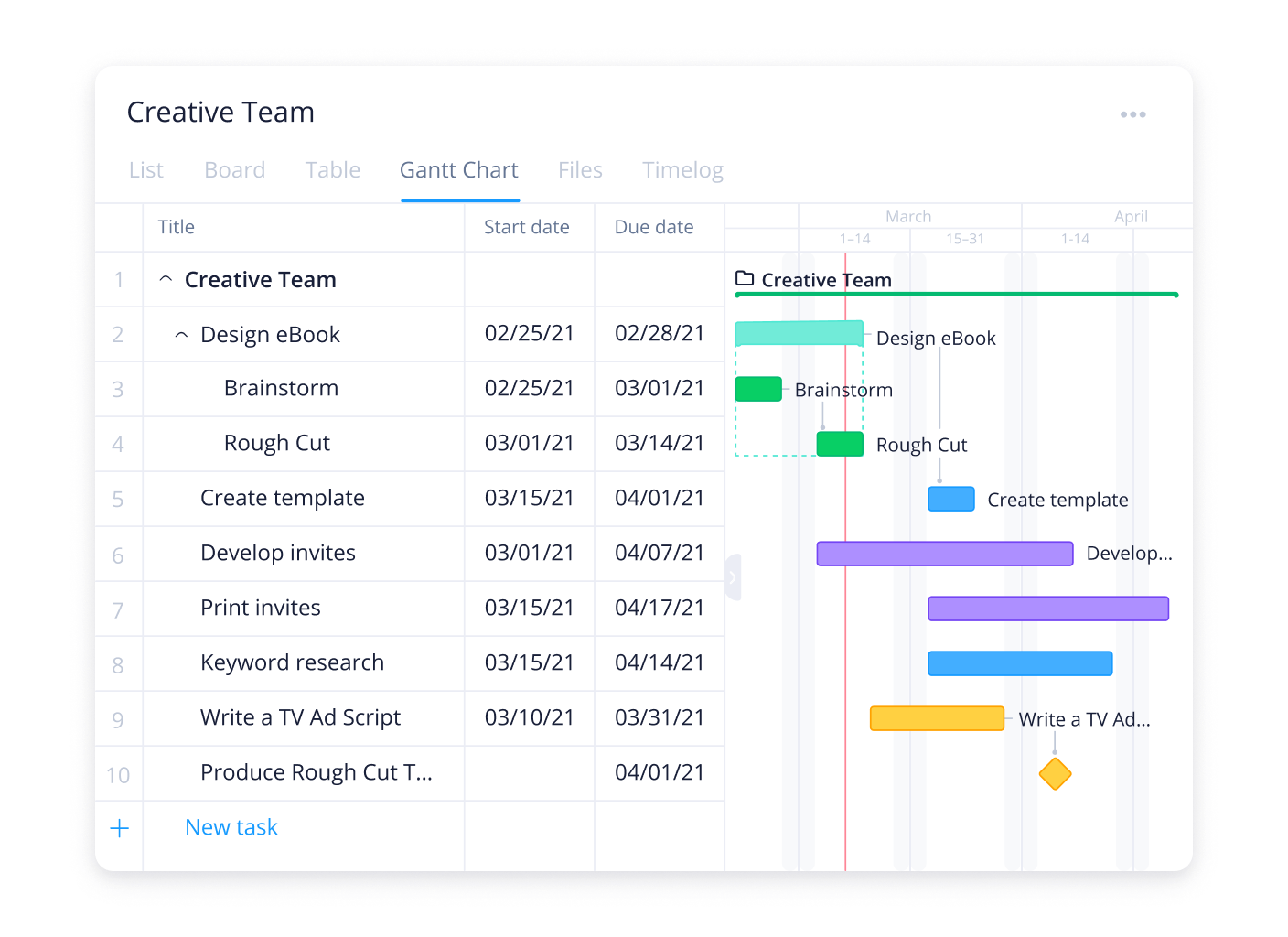
So, now you know what scope management involves, it’s time to put it into practice. Wrike can help you manage project scope with features such as pre-built templates, interactive Gantt charts, and AI project risk prediction. With Wrike, project managers can ensure that projects are completed on time and within budget, ensuring stakeholder satisfaction.
In project management, deliverables are tangible outputs produced through objective-focused work within a project’s scope. They can be internal or external and are usually due on specific dates. Unlike objectives or milestones, deliverables are concrete items that must be completed and handed over to advance or close a project.
Governance in project management is the framework that defines accountability, decision-making authority, and reporting relationships within a project. It establishes who oversees the project, who makes key decisions, and how information flows between stakeholders. Effective governance provides structure, oversight, and alignment, with the project sponsor playing a critical coordinating role.
PMBOK, or the Project Management Body of Knowledge, is a comprehensive framework of standardized processes, best practices, terminology, and guidelines for project management. Maintained by the Project Management Institute (PMI), it helps organizations standardize and tailor their project practices while reducing the risk of failure.
A PMO, or project management office, is a centralized team or function that standardizes project management processes across an organization. It provides governance, best practices, tools, and oversight to improve efficiency and consistency. By aligning projects with business objectives, a PMO helps organizations deliver initiatives on time, within budget, and with greater strategic impact.
A project in project management is a temporary effort made up of specific tasks designed to achieve a clearly defined goal or outcome. It can be simple or highly complex, and responsibilities are usually assigned by a manager who outlines expectations and deadlines. Teams often break projects into smaller tasks to improve accountability, streamline workflow, and ensure timely completion.