It’s hardly possible to have different project perspectives with traditional project management software. The reason is that this software utilizes rigid, one-to-many hierarchies of tasks that are usually designed by project managers at the very beginning of a project. Unlike traditional software, project management 2.0 tools employ many-to-many hierarchies. These tools let a project plan emerge from pieces, effectively enabling collaborative planning. They allow you to utilize a decentralized, pull-based model in planning.
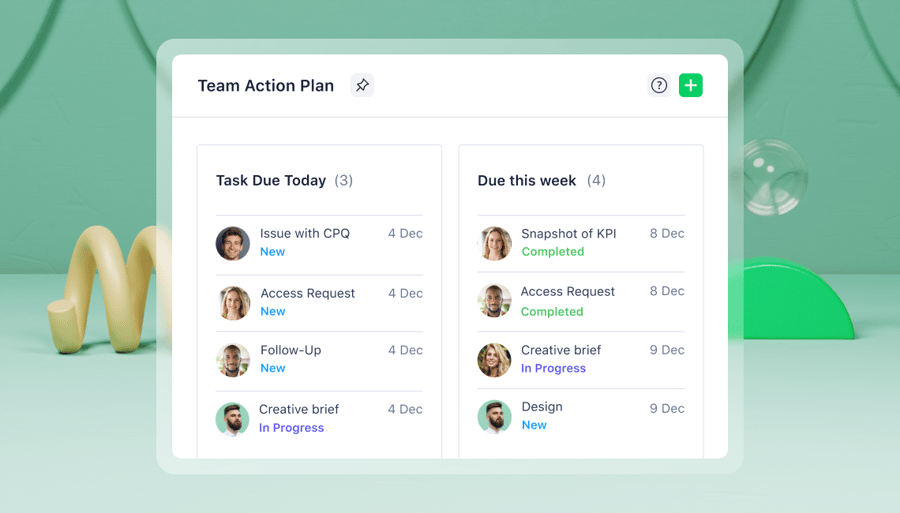
Many-to-many hierarchies in project management 2.0 tools also allow project managers to pick any reasonable sub-set of tasks, create a view with these tasks and share the view with someone who needs it. It is not like the all-or-nothing sharing of a file. At the end of the day, more people can collaborate and contribute to the project work. As the new tools allow team members to make changes to the initial structure simultaneously, more people can organize and reorganize their views, and more structures emerge.
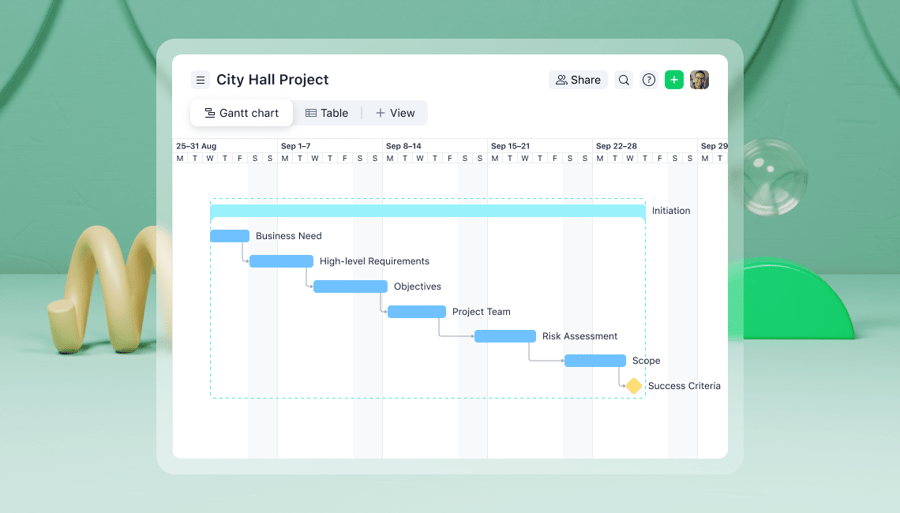
With project management 2.0 tools, you can start with one task, add fifteen more, organize them, add more tasks, reorganize them and repeat the process on a daily basis. When all team members walk through this process, you start to bring the power of many to work in your planning process. Many-to-many structures emerge with the help of team members’ collaboration.

When seven employees share their daily to-do lists with a team leader, the team leader gets a bigger picture. When five team leaders share their teams' plans with a project manager, the picture gets even bigger. When it goes through directors and vice presidents to the CEO, the whole structure evolves from what was one task into a big ecosystem that perfectly suits the organization.
This agility helps to bring iterative and incremental improvements into the project plan without giving away the control. Project managers get an opportunity to find the best way to organize their teams’ work. The project manager’s job becomes more about coordination, guidance and leadership than routine manual updates.
Project management 2.0 tools with many-to-many hierarchies help to truly unleash collective intelligence in the project planning. The team (and then the whole company) becomes highly responsive to dynamic external environments. As productivity increases and red-tape drops, employees become more motivated.
These positive effects come from the synergy effect of two phenomena -- emergence and collective intelligence, empowered by the project management 2.0 software and practices.
In my next post, I plan to speculate about the way human brain organizes information and how this is connected with many-to-many hierarchies. This will give another angle on the subject. Until next time.
Thanks for your comment! I always wanted to mention it, but I also always refrained from it, because most of readers are far from graph theory. There couldn't be a better way than one of the readers mentioning the terms. That's, by the way, is a tiny demonstration of the power of collective intelligence;-)
Cheers,
Andrew